Showing posts with label photo. Show all posts

Tuesday, 10 June 2008

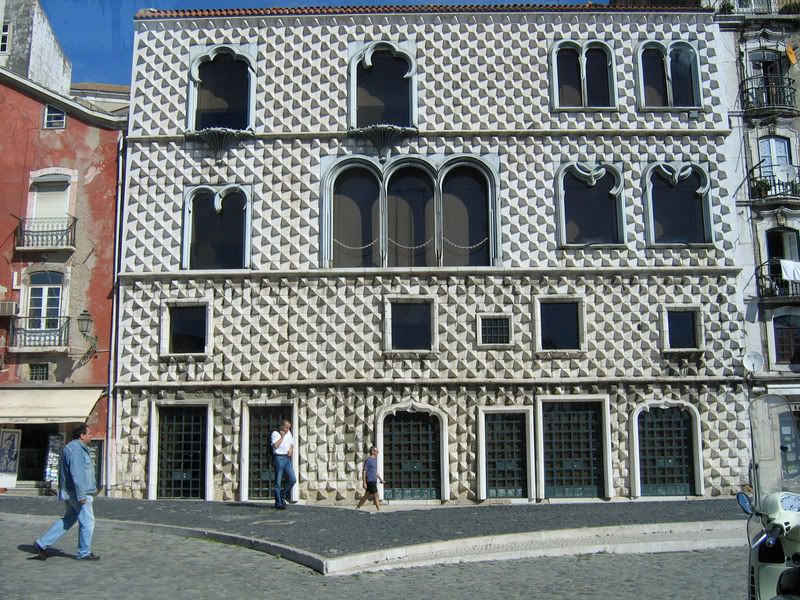
Casa dos Bicos


If we walk down to Santa Apolónia and continue though this riverside neighbourhood, we will find the highly original Casa dos Bicos (16th century). The "bicos" in its name are the diamond-shaped stones that cover its façade. In addition to the aesthetic singularity of the building, with its Italian influences combined with elements of the Manueline style, it is also of considerable historical importance, having belonged to Afonso de Albuquerque, viceroy of India, and being the site of some interesting Roman archaeological finds.
Photo: pylbug

Wednesday, 21 May 2008

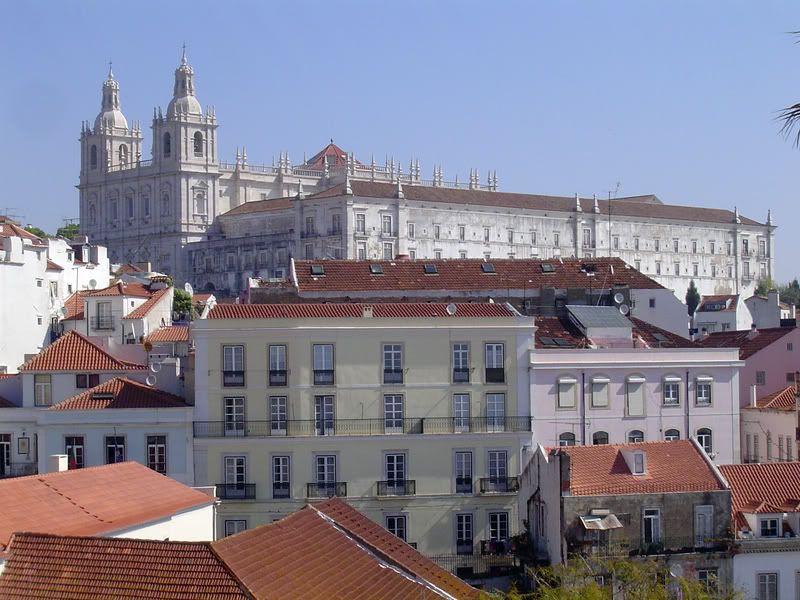
São Vicente de Fora


Close to the castle, in Graça, is the church and monastery of São Vicente de Fora, one of the most imposing and notable religious monuments in the city. It was built immediately after the city was recaptured from the Moors because of a vow made by King Afonso Henriques to São Vicente during the siege of the city in 1143.
Foto: scalleja

Monday, 7 April 2008

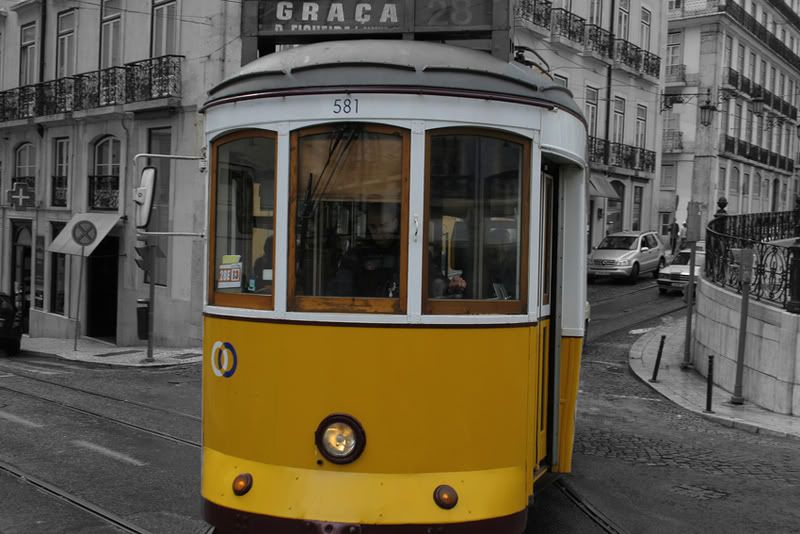
The tram


The tram is one of the most famous and typical forms of transport in Lisbon. To travel by tram is to enter an imaginary but also traditional present. You can ride up to Alfama by tram, although a walk up the hill is also highly enjoyable. All the way from the Baixa to the top of the hill, you will find typical streets, alleys and extraordinary views.
Photo: e2

Tuesday, 1 April 2008

Avenida da Liberdade


Above the Rossio, discover Avenida da Liberdade. A walk along what was, in the 19th century, the city’s “Public Walk”, where the élites met for their daily promenade. Today, the Avenida is full of expensive shops, for the most cosmopolitan and international shopping in the city.
Photo: Scalleja

Friday, 28 March 2008

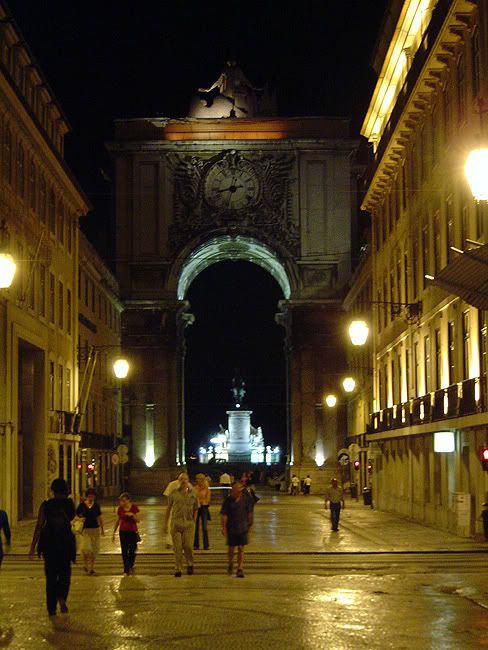
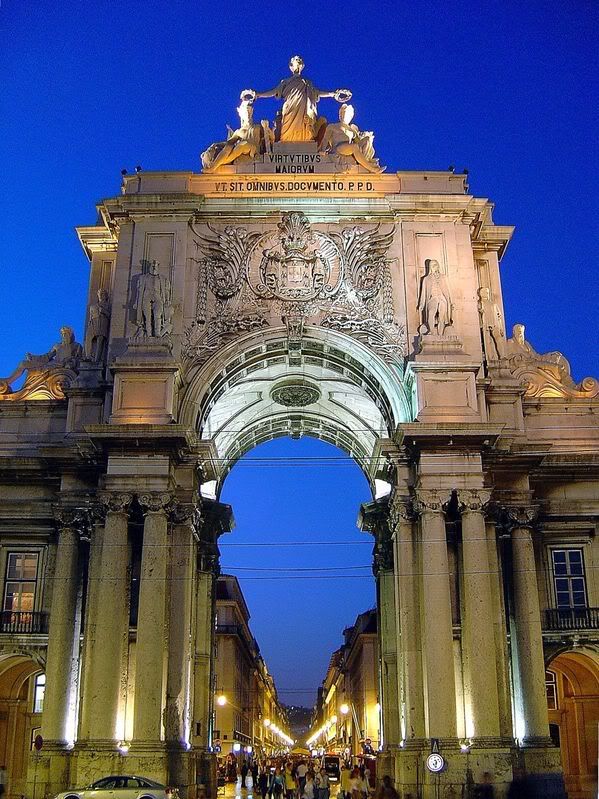
Baixa


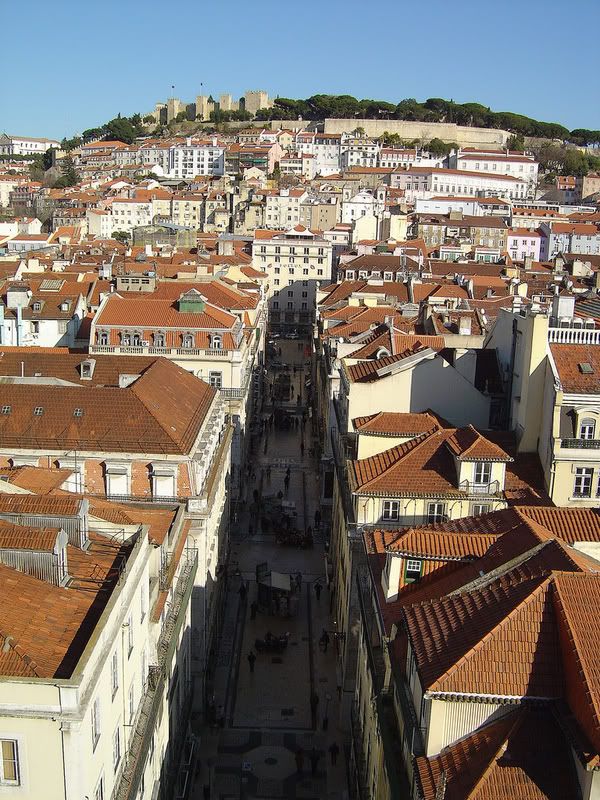
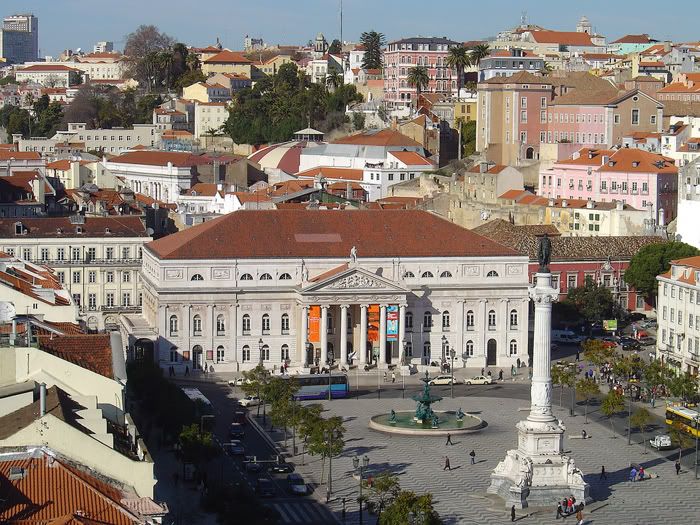
In the Baixa, the city’s traditional shopping district, you will find dozens of shops and a great area for walks. A personal welcome makes shopping even more enjoyable. Rua Augusta is the main artery of the Baixa Pombalina, leading between Terreiro do Paço (traditionally called Black Horse Square by the English), open to the river and the symbol of power, to the beautiful Praça do Rossio (Praça Dom Pedro V)

Sunday, 23 March 2008

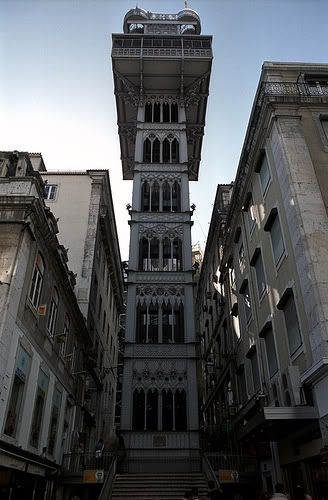
Elevador de Santa Justa


Carmo is connected to the Baixa by another key monument in the city, the irresistible Elevador de Santa Justa. From the top of the Elevador there is a very fine view over the Baixa Pombalina. Don’t lose the opportunity to ride the Elevador, the only vertical lift that provides a public service and was designed by a disciple of Gustave Eiffel, which explains its unique architectural style.
Photo: Jason Turner

Friday, 21 March 2008

The Convent of Carmo


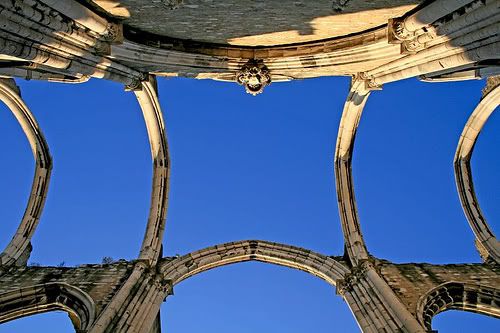
The Carmo area, next to the Chiado, has some of the most fascinating historical sites in the city, such as the Convent and Church of Carmo, which have maintained their elegance and grandeur. Here you can visit the ruins, but also the Museu Arqueológico do Carmo, which houses a collection of pre-historic, Roman, medieval, Manueline, Renaissance and Baroque artefacts. Largo do Carmo is also emblematic of recent Portuguese history, the site of important events in the 1974 Revolution.
The Convent of the Order of the Carmo of Lisbon is raised in a privileged position, lofty to the Rossio, and near to the hill of the Castle of Saint Jorge. The church of the convent, which went already to principal Gothic church of Lisbon, was in ruins due to the Earthquake of 1755 and it is still one of the principal marks left by the earthquake visible in the city.
Photo: Fr Antunes

Thursday, 20 March 2008

Chiado


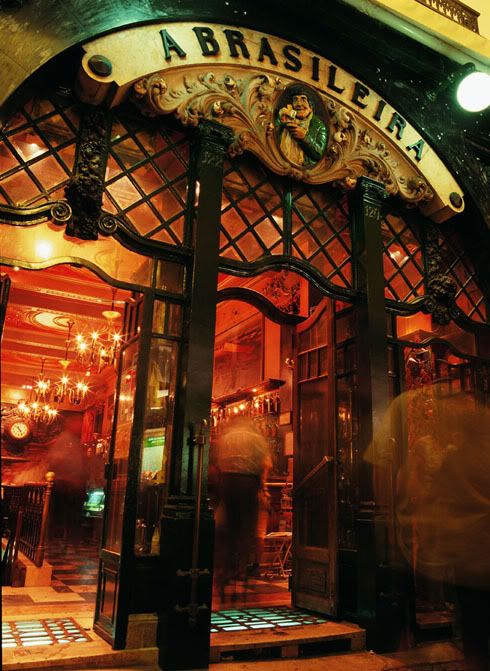
After the Bairro Alto, walk down to the Chiado, where you will find an even more sophisticated atmosphere. Ameeting point for young people, artists and intellectuals, the Chiado is an area of emblematic cafés, such as “A Brasileira”, art schools, theatres and of living history. Besides its intrinsic beauty, it is the people that make the Chiado what it is, with their activity and positive atitude.

Monday, 17 March 2008

A paradise for walkers and photographers.


Lisbon iIt's one of the world's great historical cities, with characteristic and surprising sights, cultural treasures, and a beautiful setting that make it a paradise for walkers and photographers.
Photo: portuguese eyes

Thursday, 13 March 2008

Lisbon is the city for fado , funiculars, feasting and frolicking


Lisbon's position on seven low hills beside a river once lured traders and settlers, and it's still a stunning site. Add to that its cultural diversity, laid-back feel and architectural time warp, and you have one of the most enjoyable cities in Europe - and also one of the most economical.
At Lisbon's heart are wide, tree-lined avenues graced by Art Nouveau buildings, mosaic pavements and street cafes. Seen from the river - one of the city's many great viewpoints - Lisbon is an impressionist picture of low-rise ochre and pastel, punctuated by church towers and domes.
Lonely Planet
Photo: portuguese eyes